Did you know...?
Fun facts about Austria
Whether yodelling, Arnold Schwarzenegger or Mozart – if you have heard of one of them, you have heard of Austria. But this tiny country in the heart of Europe has many more things to offer. Let us introduce you to some of the most common facts and clichés to answer the all important question: “What’s so special about Austria?”
Austrians speak German
This is an indisputable fact. However, while German is the official language listed in Austria’s constitution, “regular” German and Austrian German are far from the same thing – including major differences in grammar, spelling, pronunciation, and especially idiomatic expressions. In fact, many Germans will struggle to understand their fellow Austrian German-speakers, while some Austrian dialects are so hard to follow that even Austrians from other parts of the country don’t understand them. Plus, the dialect doesn’t just vary between the nine states, but can drastically change even between neighbouring regions, cities and municipalities. Due to its location, Croatian, Slovenian, and Hungarian are also recognised as official languages in certain parts of the country, and actively spoken there by small parts of the population.
Tip: Want to understand and speak German? Whether you’re a beginner or ready to take your skills to the next level, we’ve got a wide variety of German language courses to choose from to fit your needs – from individual lessons and group classes to dedicated corporate programmes.
Culinary delights:
More than Wiener Schnitzel & Beer
The Austrian language is only one aspect of Austrian identity. At least equally important – and even more widely known internationally – is Austrian cuisine with its unmistakable specialties.
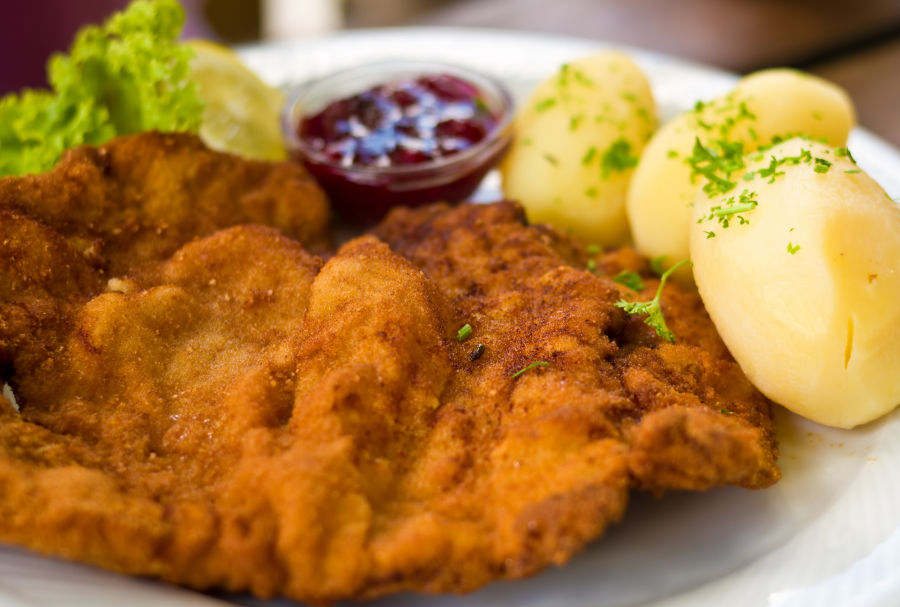
What Austrians eat
Austrians also know a thing or two about good food. While traditional dishes like Wiener Schnitzel and Kaiserschmarrn are well known and loved around the world, there are plenty of well-kept secrets you only really discover when you’re exploring the country. For example, in Carinthia you’ll find traditional “Kasnudel” (literally “cheese noodles”), a Ravioli-type pasta traditionally filled with cream cheese and herbs, while Upper Austria is home to the oldest cake in the world and its many variations on the “Knödl” (dumpling). The capital, Vienna, is known worldwide not just for Schnitzel, but also Tafelspitz. But the real magic unfolds at dessert, where classics such as Sachertorte, apple strudel, and Topfengolatschen are just a few of the many irresistible sweet treats available – best enjoyed in a traditional coffee house with a freshly brewed cup of Viennese coffee.
Despite the regional differences, there are a number of dishes that are common across all nine states: Hearty soups, stews and pan-fried dishes as well as sweet main courses like poppy seed noodles or yeast dumplings filled with Powidl (plum jam). Another Austrian staple is the “Brettljausn” – a simple platter of cold meats, cheeses, and fresh bread, usually accompanied by pickled and fresh veggies. Often homemade and enjoyed as a casual dinner, you’ll also find it on the menu at a Heuriger, a Buschenschank, or a cosy mountain hut – ready to be enjoyed at any time of day.
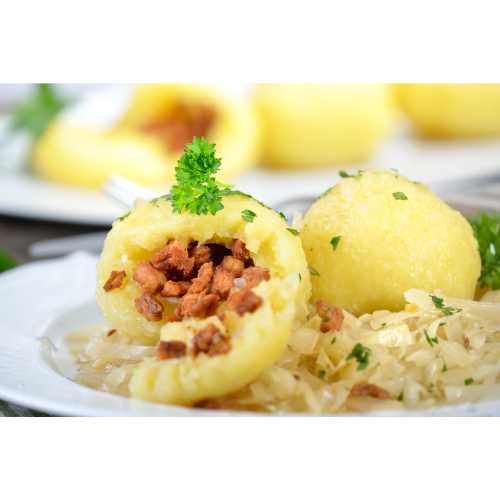
Land of dumplings
In Upper Austria, dumplings are enjoyed at breakfast, lunch, and dinner in countless variations. This tradition goes way back – the oldest dumpling ever found is over 4,000 years old, and can be seen at the Pfahlbaumuseum in Mondsee.
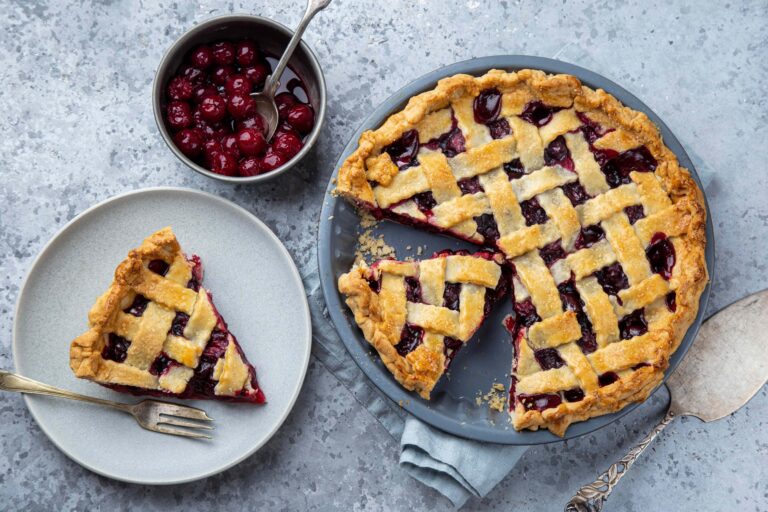
Linzer Torte
Grab a slice of history with the Linzer Torte. It holds the record for the oldest cake named after a city, with its recipe first documented in a cookbook in 1653.
Did you know? Beer is also a big part of Austrian culture, with the average Austrian putting away about 98 litres a year – a feat only surpassed by our Czech neighbours, who manage a staggering 126 to 184 litres per person.
Austria is the “capital” of coffee
Vienna has built a large part of its identity around the love for coffee, which dates all the way back to the second Turkish Siege in 1683. After the withdrawal of enemy troops, sacks of coffee beans were left behind, and a few clever locals quickly recognized this golden opportunity – opening the first coffee houses in the city. These quickly became popular hang-outs for the intellectuals, artists and authors of the time, providing a space for people to read, socialise and indulge in all kinds of different coffee creations. To this day, Viennese cafés serve specialties you won’t find anywhere else – like the Wiener Melange, the Einspänner, or the indulgent Fiaker. It’s a tradition so cherished that it became UNESCO Intangible Cultural Heritage in 2011.
By the way: Did you know that traditional coffee house culture isn’t Austria’s only UNESCO Cultural Heritage? Other intangible traditions on the list include the Viennese Würstelstand – the well-known and dearly beloved sausage stands serving late-night snacks since the 18th century – and the Weinviertler Kellerkultur, a tradition of historic wine cellars in Lower Austria’s wine country. Austria is also home to several UNESCO World Heritage Sites, including the Semmering Railway, Lake Neusiedl, and the spa town of Baden.
Culture, sports and traditions:
The Austrian way of life
Austria boasts a rich cultural scene, whether music, theatre or film – and they’re passionate about their sports, too. So is it really true that Austrians only listen to Mozart, wear traditional clothing all the time, and refuse to get off their skis?
Austrians listen to classical and folk music
Yodelling and the Danube Waltz are well known all over the world, while Falco’s “Rock me Amadeus” made its way across the pond to conquer the US charts back in the 80s. However, those examples only cover a fraction of the different styles and genres of Austrian music. While lots of artists incorporate traditional elements of classical or folk music into their songs, there are countless indie bands and modern music producers experimenting with all kinds of sounds – just like everywhere else around the world.
If you want to experience the full variety of the Austrian music scene, make sure to stop by at any of the many festivals taking place throughout the country all year round. Whether the iconic (and free!) Donauinselfest in Vienna, rock-heavy Nova Rock in Burgenland, or the culturally acclaimed Bregenzer Festspiele in the West – you’re guaranteed to find the right event for every musical taste.
Austrians wear Dirndl and Lederhosen
This is partially true. Most people wear regular clothing on a day-to-day basis, and only dress in traditional costume when attending folk festivals or other special occasions like weddings. Those wearing “Tracht” on a regular basis are usually people working in hospitality or tourism in alpine regions, where it’s part of the standard work attire.
Austria has many unique traditions
True. Despite being tiny, Austria is bursting with a wide array of time-honoured customs. One of the better known ones is the Maibaum: every spring, villages across the country erect and decorate a tall tree as a symbol of renewed life and fertility. But that’s only half the fun – tradition also calls for neighbouring villages to steal or sabotage each other’s trees during the night.
Another ritual is the Perchtenlauf, a tradition that dates back to pre-Christian times. Costumed demons run through the streets to drive out evil winter spirits and make room for spring. Picture grotesque carved masks, heavy fur costumes, the clanging of cowbells, and the glow of torches on a dark winter night – it’s intense, loud, and utterly unique. And an event not to be missed if you’re visiting in winter!
All Austrians are skiers
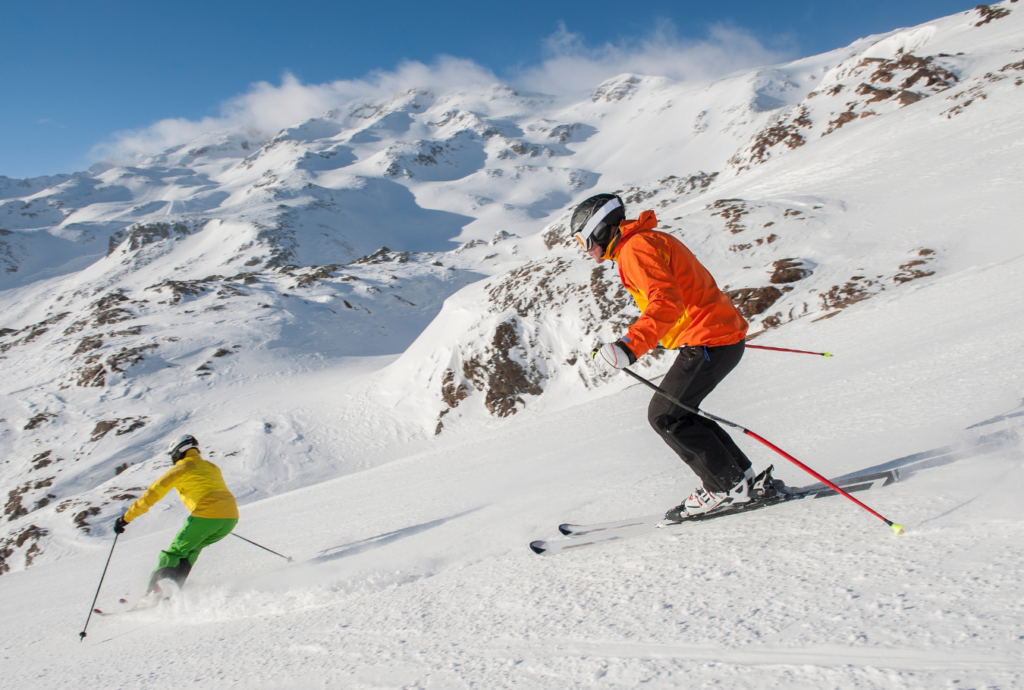
The skiing Austrian is a cliché for good reason. With more than two thirds of the country being covered by high mountains, it’s only natural that winter sports have an extremely high standing. As such, we’re usually amongst the frontrunners in international competitions, and many children are put on skis as soon as they can walk. But nonetheless, a large part of the population has never even hit the slopes – according to a 2019 poll, only three million of Austria’s nine million residents regularly ski or snowboard.
Still, winter sports are a big part of who we are. Austrian athletes regularly bring home Olympic medals, and ski races draw millions of viewers every season. But if there’s one activity that truly unites all Austrians – young and old, city and countryside – it’s hiking. With around 50,000 kilometres of trails, that’s hardly surprising. That said, the most popular sport going by the number of club memberships isn’t actually skiing or hiking – it’s football, by a landslide.
Austrian hospitality and mentality:
What to expect
So what are Austrians actually like? Well, that depends on who you ask. A 2017 expat study ranked Austria second to last in friendliness worldwide – only Kuwait scored lower. But just two years later, a different survey painted a much rosier picture, placing Austria eighth out of 25 countries.
Viennese people are rude – or are they?
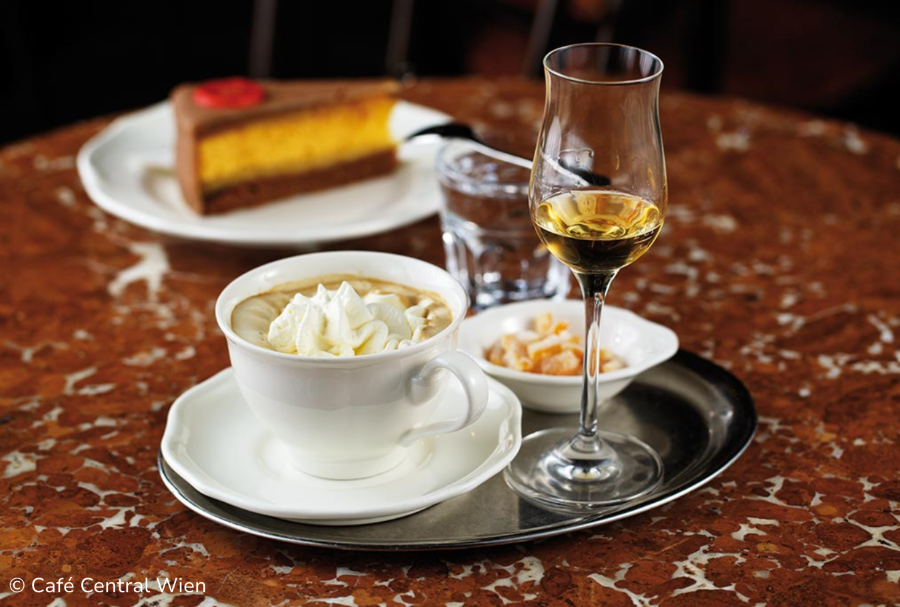
Yes and no. Some of this reputation might stem from the famous Wiener Grant – the tendency towards a grumpy, brusk demeanour that’s generally associated with Vienna. Especially servers in traditional coffee houses and taverns are known to drop blunt remarks in front of guests. But much of this apparent rudeness is really the “Wiener Schmäh” – a local brand of humour that toes the line between joke and insult, without any real malice behind it. While it may take some time to get used to, you’ll soon get used to this quirk – and might even find it quite endearing. But when it comes to actual etiquette, Austrians are very prim and proper – and take good manners seriously.
Austrians value punctuality
This is absolutely true, especially in a business setting. Arrive late at your own peril – it’s simply rude, even if you have a good excuse. In contrast, daily life moves at a wonderfully unhurried pace – there’s a reason why the “academic quarter”, an extra 15-minute allowance when setting a time to meet, is well established. There’s no rush to finish your coffee, no pressure to free up your table. Taking your time isn’t lazy – it’s the whole point.
Academic titles are everything
This might be the truest fact on our list. For centuries, titles of nobility defined who you were – and when the monarchy ended and those titles vanished, academic ones simply took their place. From Bachelor to Master to PhD – titles are expected in all official documents and communications, and are practically worn like a badge of honour. Especially older generations tend to use them frequently in everyday conversation.
Tip: If you want to learn more about the country, its people and the culture that defines them, take a look at our blog. Whether you’re curious about famous Austrian composers or writers, the glamour of the Viennese ball season, or how the Austrian school system works – you’ll find all that and more, plus plenty of helpful tips for learning German. Happy reading!
You might also be interested in
German courses at the Österreich Institut
Whether it’s a beginner’s course, a group course or German for companies, we have the right course for you. With experience and sensitivity, our course leaders will help you achieve your learning goals.
Find your language level
What do the levels A1 to C2 mean? We are happy to help you find the right language level for you. We can also offer you the right course for your individual German language skills, both online and on-site at our locations.