Austrian films have a talent for holding up a mirror to the quirks of the national psyche. In doing so, they remain unflinching yet always retain a touch of irony. While Hollywood often relies on explosive action and over-the-top drama, Austrian cinema instead focuses on dark humour, sharp observation, and satire. As a result, these films go beyond simple entertainment. Rather, they use Austrian clichés to question the status quo, challenge prejudices, and encourage audiences to look beyond the ordinary. So, which Austrian cult films should be on your watchlist?
Family Chaos meets Satire: The Best Austrian Comedies
Whether in a council estate, a suburban home or even on holiday, the petit-bourgeois family is a perpetual favourite of Austrian cinema. No director has shaped the genre quite like Harald Sicheritz, whose films pull back the curtain on the very normal madness lurking behind the facade of middle-class respectability – usually featuring the Austrian acting legend Roland Düringer as top cast.
”Muttertag“ (1993) – Council estate satire
Harald Sicheritz’s cult film Muttertag (Mother’s Day) is set in the Viennese council estate “Am Schöpfwerk” and shows 48 hours in the life of the Neugebauer family. What starts as an ostensibly normal day quickly unravels into a chaotic tangle of family conflicts, misunderstandings and embarrassing situations. Father Edwin (Reinhard Nowak) is hiding an affair, his wife Trude (Andrea Händler) gets caught shoplifting, son Mischa (Alfred Dorfer) builds a potentially lethal Mother’s Day gift, and grandfather (Roland Düringer) adds his own layer of confusion to the mix. The result? A tragicomic portrait of Viennese working-class and petit-bourgeois life.
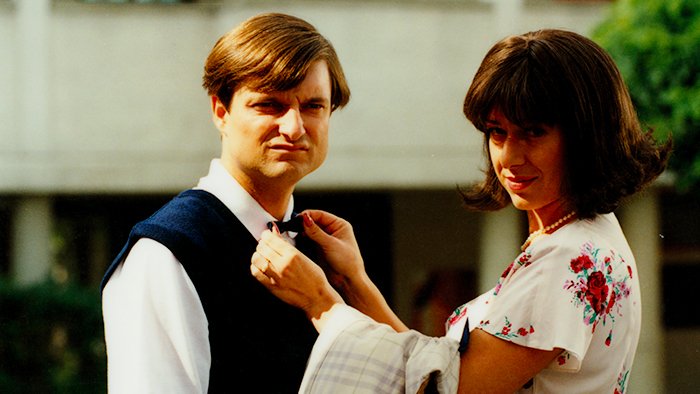
”Hinterholz 8“ (1998) – A satiric take on the homeowner’s dream
Also by Harald Sicheritz, Hinterholz 8—named after a remote rural address—is among the most popular Austrian films of the 1990s. In the film, the Krcal family (Roland Düringer, Nina Proll, Rudolf Rohaczek) leave the hustle and bustle of the city for a rundown farmhouse. The renovation soon turns into a nightmare. Structural damage, bureaucratic headaches, DIY disasters and neighbourly disputes keep piling up until the couple’s marriage is on the rocks. The financial and emotional strain pushes Mr. Krcal to the edge of grotesque despair – losing his grip on himself entirely and eventually taking an estate agent hostage. Through this gloriously overblown breakdown, the film skewers the myth of the dream home as the ultimate path to happiness.
”Poppitz“ (2002) – A holiday from everyday life
In Poppitz, Harald Sicheritz follows car salesman Gerry Poppitz (Roland Düringer), who treats his family to an all-inclusive holiday in Egypt in search of some much needed rest and relaxation—only to find that his stressful daily life has decided to come along for the ride. Set against a backdrop of package tourism, cheap travel and exhaustion from day-to-day life, the film takes a humorous but quietly melancholic look at the great escape from routine that turns out to be no escape at all.
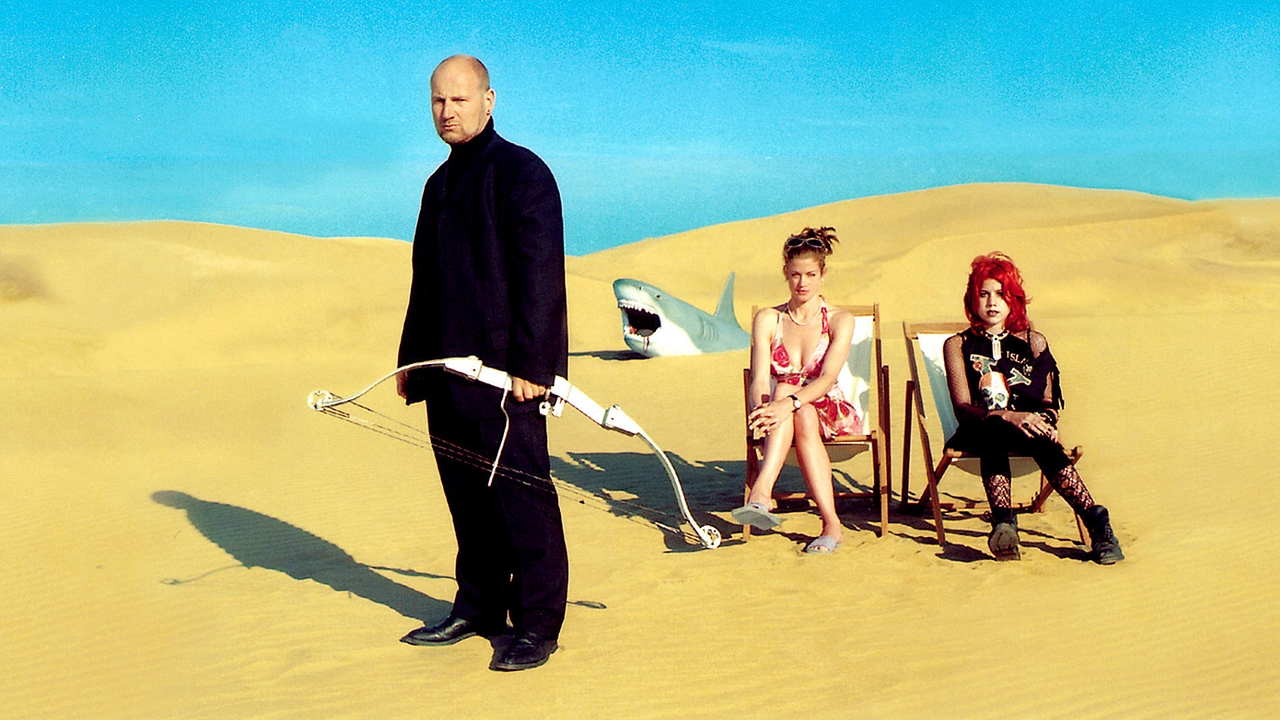
Single Bells (1997) – A chaotic Christmas
Single Bells pokes fun at the madness of family Christmas. After a breakup, career woman Kati (Martina Gedeck) finds herself stranded in the Vienna suburbs with her sister Luiserl (Gerti Sandhofer) and brother-in-law Sigi (Heinz-Werner Krahl), where meddling mothers-in-law, petty arguments, a burning Christmas tree and an escaped rat conspire to thwart any hope of festive harmony.
Die unabsichtliche Entführung der Frau Elfriede Ott (2010)
This film – translated as “The accidental abduction of Mrs. Elfriede Ott” – is a fast-paced comedy of errors directed by Andreas Prochaska. The hapless Toni Cantussi (Michael Ostrowski) and his friend Horst Wippel (Andreas Kiendl) accidentally “borrow” the famous Austrian stage actress Elfriede Ott, who plays herself in the film, setting off a chain of misunderstandings.
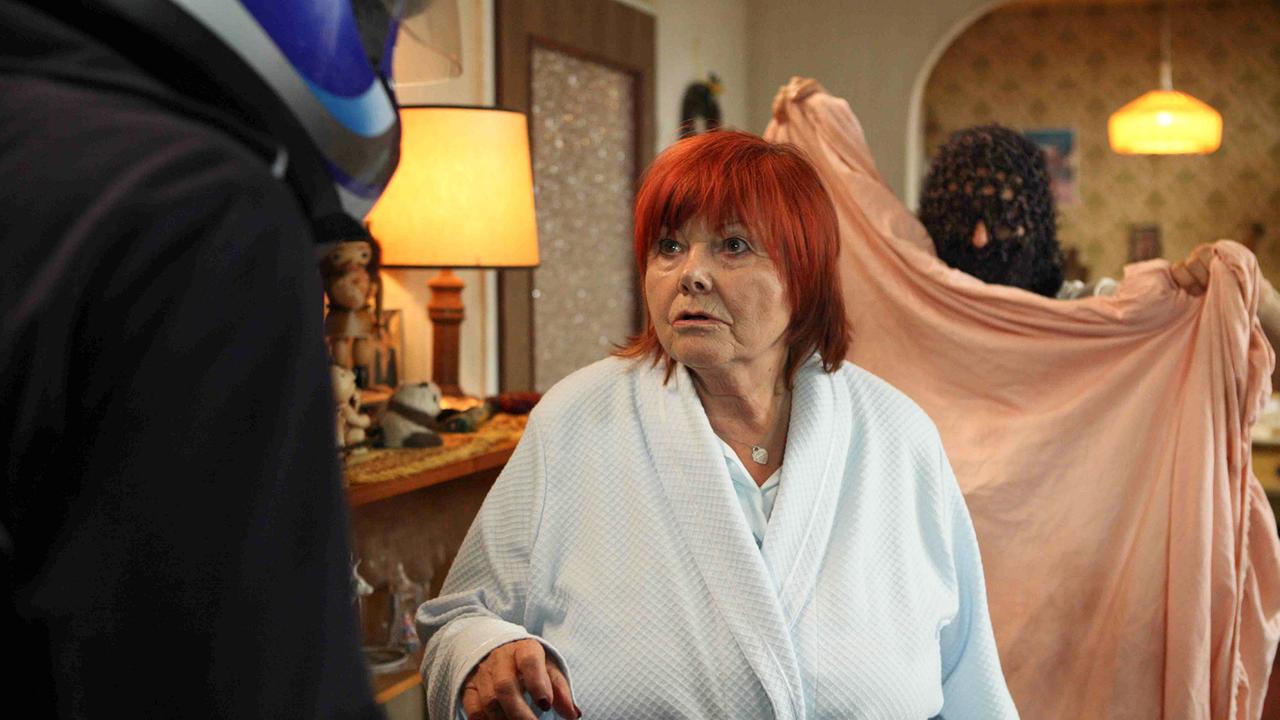
Müllers Büro (1986)
In Franz Novotny’s cult comedy Müllers Büro, the chaotic Viennese private detective Max Müller (Andreas Vitásek) stumbles his way through cases characterised by absurdist humour and everyday realism, with Austrian acting legends Karl Merkatz and Karl Markovics among the supporting cast.
Grim Settings and Gallows Humour: Austrian Crime Films and Dark Comedies
Where other countries offer slick, glamorous detectives, Austria prefers weary cynics with a taste for the morbid. Here, the crime genre is less about nail-biting suspense and more about darkly comedic depictions of society.
”Indien“ (1993) – A tragicomedy about the human condition
In Paul Harather’s Indien, an unlikely pair of civil servants – played by Austrian cabaret legends Josef Hader and Alfred Dorfer – travel the Austrian countryside to inspect pubs along the way. At first, all they share is a mutual dislike for each other: the meticulous inspector and the sluggish grouch. The more time they spend travelling the rural countryside together, the more an unlikely friendship begins to form, which helps each of them gain a different perspective on life. When one of the two falls seriously ill, the comedy dips more into existentialism territory. Less loud and over-the-top compared to many classic Austrian films of the 1990s – but no less perceptive—this film is a quiet meditation on mortality, loneliness and the unspoken desire for purpose in life.
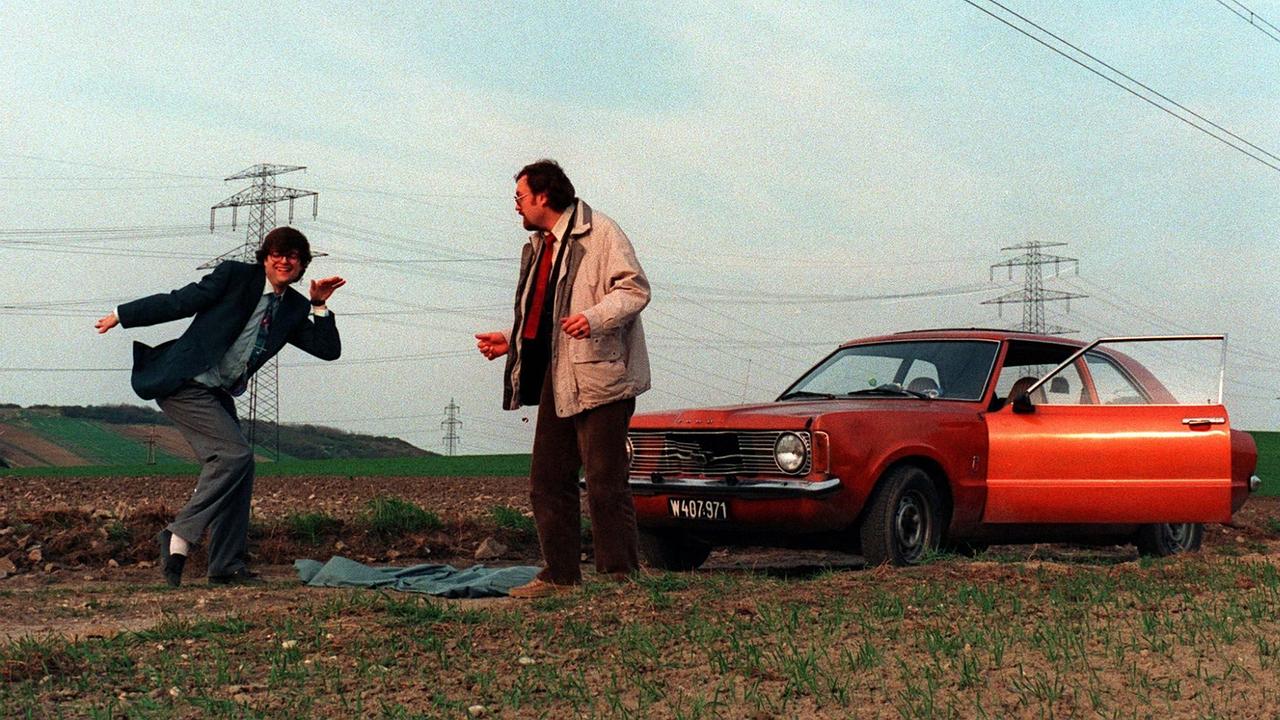
”Aufschneider“ (2010) – Just another day at the morgue
Josef Hader plays Viktor Szindelár, a cynical Viennese pathologist navigating his days between autopsies, bureaucratic dreariness and personal conflicts – the title of the film both referring to “someone who cuts [things] open” as well as an insufferable blowhard. The film satirises the Austrian hospital system, the national fondness for all things morbid and the gallows humour that comes with it—where laughter sits much closer to death than life.
The Brenner Crime Series
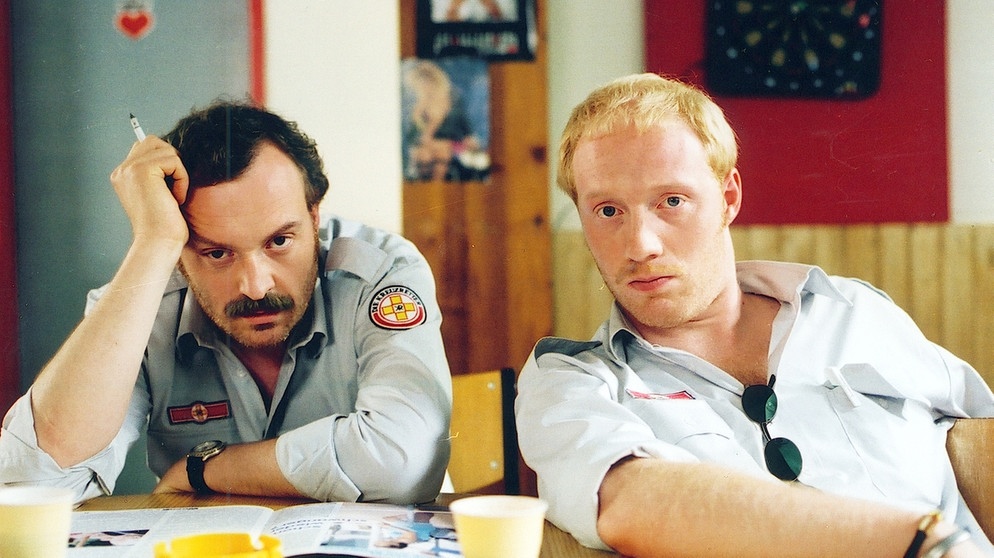
First released in 2000, the Brenner crime series is based on the novels of Austrian author Wolf Haas. It follows the disillusioned ex-detective Simon Brenner, played by Josef Hader. Films like Komm, süßer Tod (Come, sweet Death), Silentium, Der Knochenmann (The Boneman) and Das ewige Leben (Eternal Life) each plunge into a different corner of Austrian life—from the world of paramedics and Catholic boarding schools to the pub trade and the funeral business.
Melancholic Portraits: The Best Austrian Dramas
Beyond the loud satire and morbid crime films, Austrian cinema also has a much quieter, more restrained side to it. These films focus on people wrestling with life. Some approach it with gentle humour and a hint of hope. Others take an unwavering, unsentimental view.
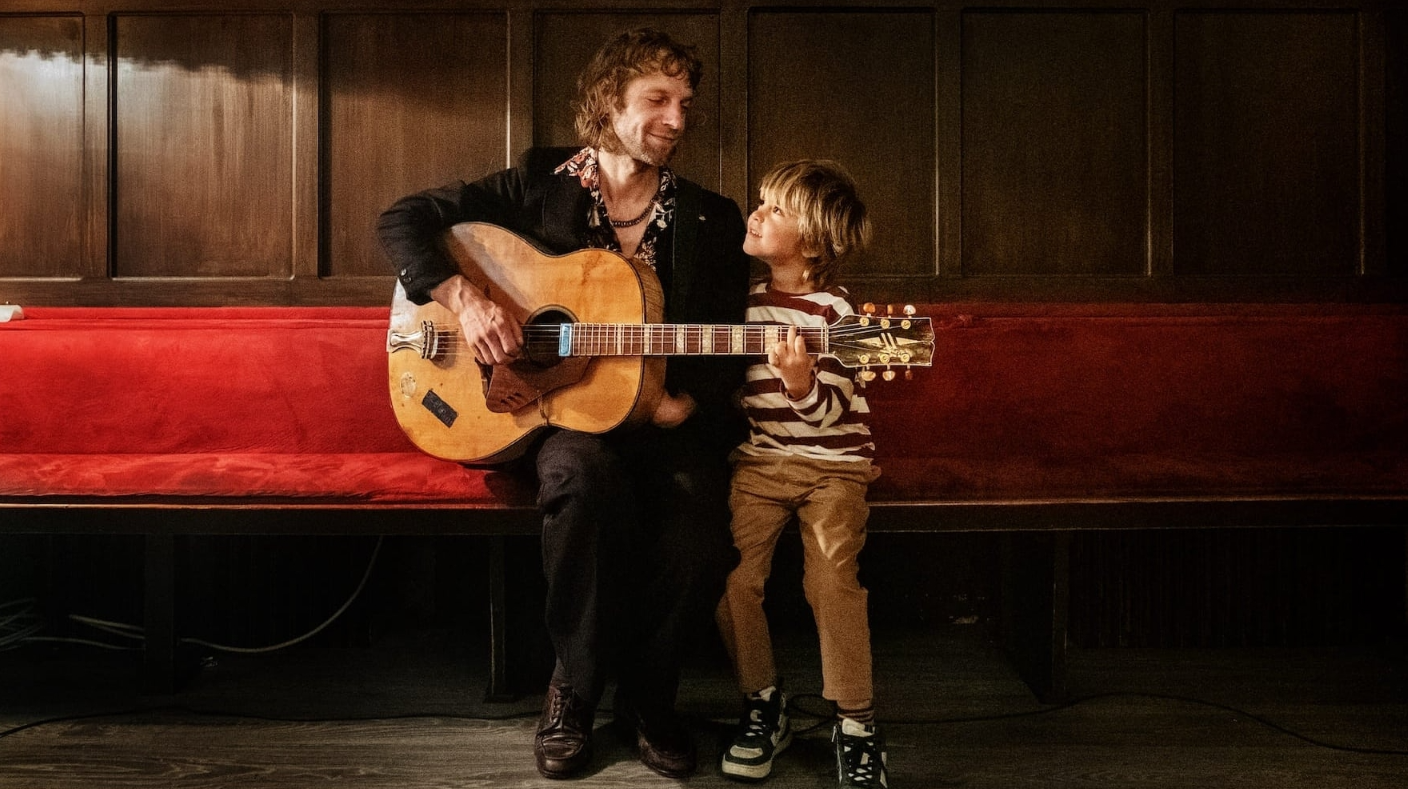
”Rickerl“ (2023) – The failed musician
Adrian Goiginger tells the story of aging singer Rickerl (Michael Grimm). He navigates small stages, drinking problems, and family conflicts. The film offers a sensitive portrait of a man caught between pride and failure. Despite everything, he still wants to be a good father. With quiet empathy, Goiginger sketches the character of the “little man.” Even after repeated setbacks, he holds on to his dignity and sense of humour.
„Import Export” (2007) – Two different paths to desperation
Ulrich Seidl’s drama follows two life stories which unfold in opposite directions at the same time. Ukrainian nurse Olga (Ekateryna Rak) moves to Vienna, scraping by as a cleaner and carer. Unemployed Viennese Pauli (Paul Hofmann) travels to Ukraine with his stepfather (Michael Thomas) to install decommissioned slot machines. Both are fleeing poverty – but end up being stuck in the bleakness of the other’s world. Seidl portrays a Europe of exploitation, humiliation and broken promises, without ever passing moral judgement.
From family comedy to bleak social drama, Austrian cinema reveals the full range of self-deprecation, dark humour, and sharp social commentary. The films presented here take familiar clichés – the grumpy Viennese, the overwhelmed middle-class family, the corrupt provincial backwater. They turn them into a mirror of our cultural reality.
Want to find out more about Austrian life and culture? Then our blog is the place be: from Austria’s most famous composers and the variety of traditional clothing to Viennese coffee specialities. Find out more about customs and traditions across the country’s nine provinces – from the colourful chaos of Fasching to the eerie Krampus and Perchten runs in winter. Happy reading!